Mogha Font: Minimalist Sans Serif for Makers
The afternoon light was hitting my workbench just right, illuminating a stack of blank kraft paper tags and a fresh roll of matte vinyl. I had spent the morning mixing a new batch of soy wax candles, scenting them with sandalwood and amber, but now came the part that always made me hesitate: the labeling. I wanted something that felt modern yet warm, clean but not cold. I opened my design software and typed out the scent name in Mogha. Immediately, the hesitation vanished. The letters sat perfectly on the screen, balanced and confident, embodying the exact minimalist aesthetic I had been chasing. It wasn’t just text; it was the final touch that turned a homemade candle into a boutique product.
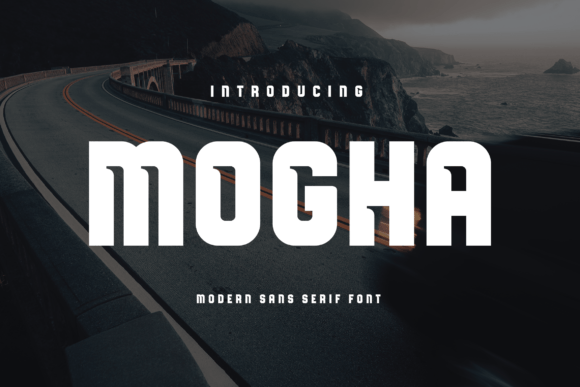
For those of us who create with our hands, whether we are crafting physical goods or designing digital printables, typography is often the unsung hero of brand identity. Mogha is a sans serif typeface that captures this spirit effortlessly. Inspired by famous minimalist logos, it brings a sense of refined simplicity to any project. As a maker, I have found that choosing the right font is less about decoration and more about communication. Mogha speaks clearly. It tells the customer that the product inside is thoughtful, curated, and high-quality. Whether you are designing templates, brochures, videos, advertising branding, logos, invitations, layout design, elegant crafting, or beauty design, this font serves as a versatile foundation for your creative vision.
Elevating Handmade Labels and Packaging
One of the most practical applications I have found for Mogha is in product labeling. When you are selling handmade items, the label is often the first point of contact between your brand and the customer. A cluttered or overly ornate font can sometimes distract from the product itself, especially if the item is already visually rich, like a floral soap bar or a textured ceramic mug. Mogha, with its clean lines and open spacing, allows the product to shine while still providing necessary information.
I recently used Mogha for a line of organic skincare balms. The challenge was to fit the product name, weight, and ingredients on a small, circular sticker without it looking cramped. Because Mogha is a well-balanced sans serif, it remained legible even at smaller sizes. The geometric precision of the letters gave the packaging a professional, editorial look that elevated the perceived value of the balm. It did not scream for attention; instead, it invited the customer to look closer. This subtle confidence is crucial for beauty design and luxury crafting, where less is often more.
Beyond labels, Mogha excels in packaging design. Imagine a simple white box tied with a twine bow. Adding a thank-you card or a branded tissue paper seal with Mogha printed in a soft charcoal or muted earth tone creates a cohesive unboxing experience. It reinforces brand consistency, ensuring that every touchpoint feels intentional. For sellers who use cutting machines like Cricut or Silhouette, the clean paths of the font make it easy to cut vinyl stickers or heat transfer designs for tote bags and shirts without worrying about intricate details breaking away.
Wedding Stationery and Invitations with Modern Charm
While Mogha is rooted in minimalism, it possesses a warmth that makes it surprisingly suitable for celebratory occasions. I have experimented with using it for wedding invitations and save-the-date cards, pairing it with delicate script fonts for the couple’s names. The contrast between the flowing curves of a handwritten font and the structured stability of Mogha creates a dynamic visual hierarchy. The sans serif handles the logistical details—dates, times, locations—with clarity, ensuring that guests can read the information at a glance, while the script adds the emotional, romantic touch.
This pairing technique is also effective for birthday invitations and baby shower announcements. For a modern baby shower, I used Mogha in a soft pastel palette for the main headers, keeping the rest of the text in a lightweight version of the same font family. The result was airy, fresh, and contemporary. It moved away from traditional, heavy serif fonts often associated with formal events, offering a lighter, more approachable vibe. This versatility makes Mogha an excellent choice for invitation designers who want to offer their clients a range of styles, from ultra-modern to softly elegant.
Digital Printables and Planner Aesthetics
In the world of digital downloads, readability is paramount. Customers who purchase printable wall art, planner pages, or journaling templates need fonts that are easy on the eyes, especially when printed at home on standard printers. Mogha performs exceptionally well in these contexts. Its uniform stroke width and lack of excessive embellishments ensure that it prints cleanly, without ink bleeding or pixelation issues that can plague more complex typefaces.
I have incorporated Mogha into several printable planner kits, using it for monthly headers and daily task lists. The clean aesthetic helps reduce visual clutter, which is essential for productivity tools. Users can focus on their tasks rather than deciphering decorative flourishes. Furthermore, for social media graphics and marketing materials, Mogha provides a neutral backdrop that allows photos of your products to take center stage. Whether you are creating Instagram stories showcasing your latest craft fair haul or Pinterest pins for your Etsy shop, the font integrates seamlessly with various image styles.
Practical Tips for Using Mogha in Your Shop
To get the most out of this typeface, consider the following practical advice based on real-world usage:
- Check Licensing: Before using Mogha for commercial products, always review the included license. Ensure it covers physical goods, digital templates, and merchandise if you plan to sell items like mugs, shirts, or tote bags.
- Test Readability: If you are using Mogha for small product labels or stickers, print a test sheet first. Verify that the text remains clear at the intended size. Adjust tracking or letter spacing if necessary to improve legibility.
- Font Pairing: Mogha pairs beautifully with a simple serif font for a classic, editorial look, or with a bold display font for high-impact headlines. Avoid pairing it with another geometric sans serif, as this can create visual competition rather than harmony.
- File Formats: Utilize the provided file formats appropriately. Use OTF or TTF files for desktop design software like Adobe Illustrator or Canva, and ensure you have the correct web fonts if you are designing for online storefronts.
- Color Contrast: Because Mogha is minimalist, it relies heavily on contrast. Ensure there is sufficient contrast between the font color and the background material, whether it is white text on a dark candle jar or black text on a kraft paper tag.
Ultimately, Mogha is more than just a set of characters; it is a tool for storytelling. It helps makers convey professionalism, clarity, and style without overwhelming the viewer. By integrating this sans serif font into your design workflow, you can create a cohesive brand identity that resonates with customers across all platforms, from physical packaging to digital presence. It invites you to strip away the unnecessary and focus on what truly matters: the quality of your craft and the joy it brings to others.